How to Plan Magh Mela & Kashi Yatra Together Step by Step , Have you ever felt that deep calling within your soul to embark on a spiritual journey? If you’re nodding your head right now, then planning a combined pilgrimage to Magh Mela and Kashi might just be the transformative experience you’ve been searching for. These two sacred destinations in Uttar Pradesh offer devotees an unparalleled opportunity to cleanse their souls, seek blessings, and immerse themselves in centuries-old traditions.
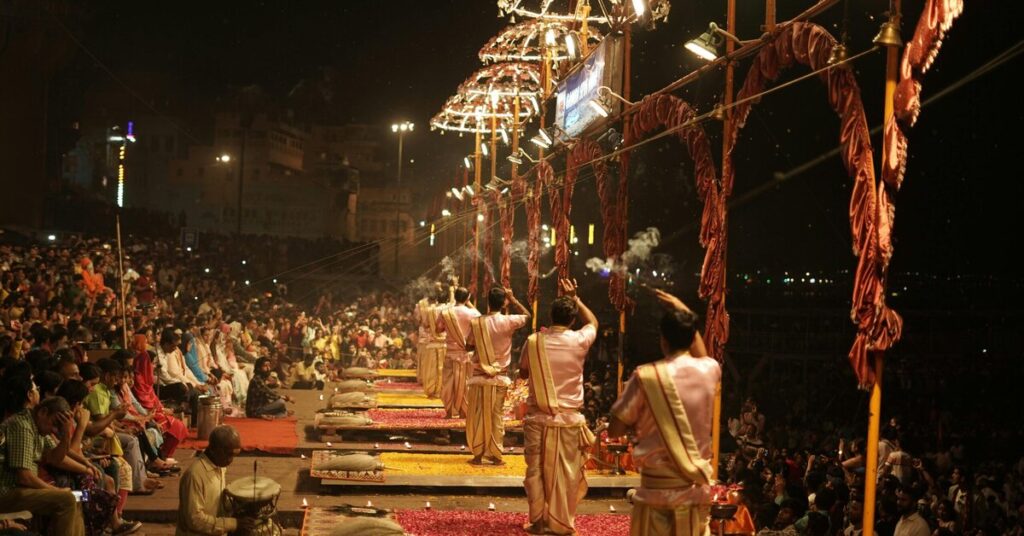
How to Plan Magh Mela & Kashi Yatra Together Step by Step , Imagine standing at the holy Sangam in Prayagraj, where three sacred rivers meet, and then witnessing the mesmerizing Ganga Aarti on the ghats of Varanasi. Sounds like a dream, right? Well, with proper planning, this dream can become your reality. The best part? These two spiritual powerhouses are just a few hours apart, making it incredibly convenient to experience both in a single journey.
Understanding Magh Mela
What is Magh Mela?
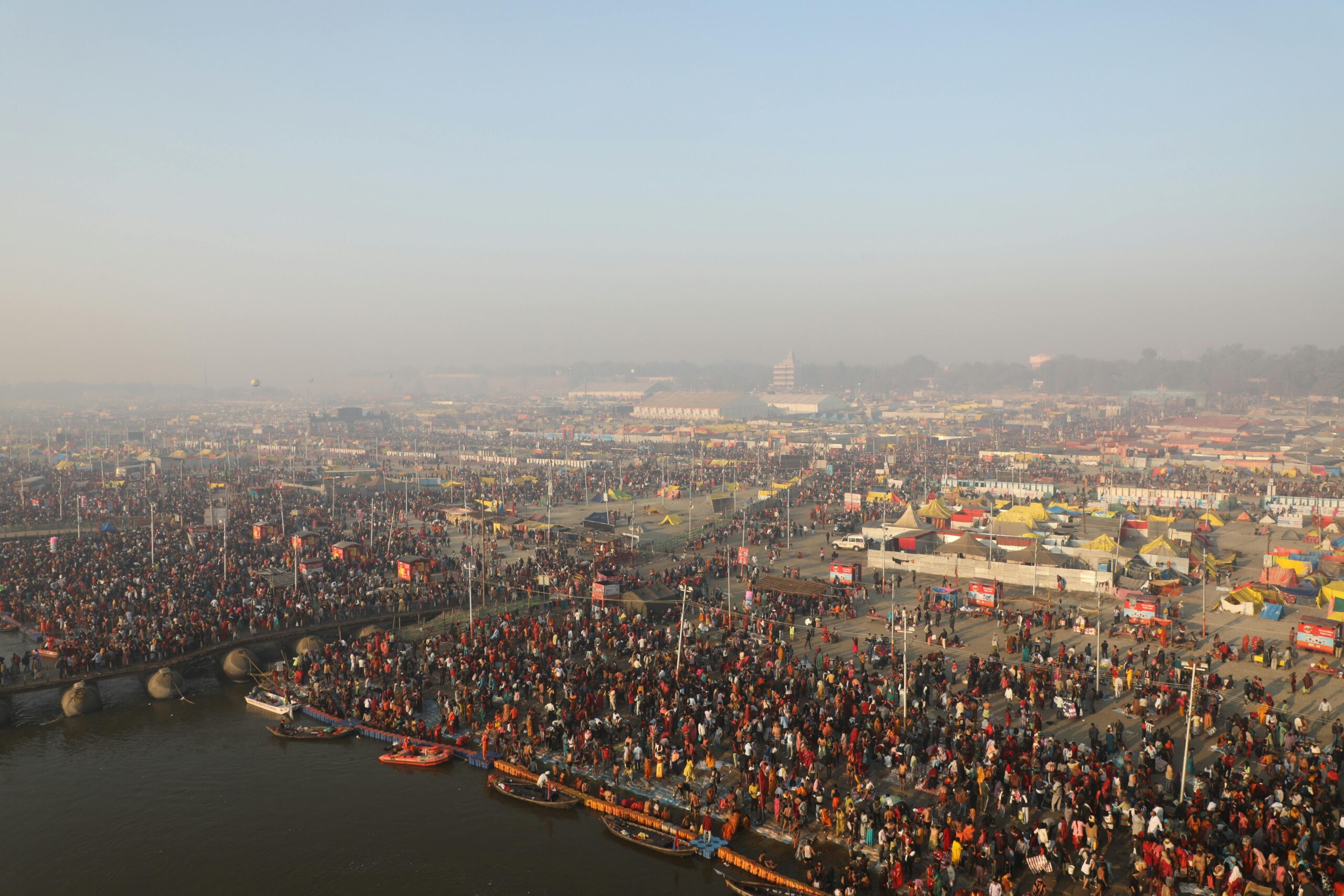
How to Plan Magh Mela & Kashi Yatra Together Step by Step , Magh Mela is one of India’s oldest and most revered religious gatherings, held annually in Prayagraj (formerly Allahabad). Think of it as a spiritual marathon where millions of devotees gather to take a holy dip at the Triveni Sangam, the confluence of the Ganga, Yamuna, and the mythical Saraswati rivers. This isn’t just any bath—it’s believed to wash away sins and bring spiritual merit.
When and Where Does Magh Mela Take Place?
The Magh Mela takes place during the Hindu month of Magh, which typically falls between January and February. The festival spans the entire month, but certain days hold special significance. The event unfolds at the Sangam area in Prayagraj, where temporary tent cities spring up to accommodate the sea of pilgrims.
Religious Importance of Magh Mela
Why do millions brave the cold winter to attend this gathering? According to Hindu scriptures, bathing in the Sangam during Magh month is particularly auspicious. It’s said that the gods themselves descend to bathe in these waters during this period. Every twelfth year, the Magh Mela transforms into the grand Kumbh Mela, attracting even larger crowds from across the globe.
Understanding Kashi Yatra
What is Kashi Yatra?
Kashi Yatra refers to the pilgrimage to Varanasi, one of the world’s oldest continuously inhabited cities and Hinduism’s spiritual capital. This journey is considered incomplete without visiting the Kashi Vishwanath Temple, dedicated to Lord Shiva. The term “Kashi” literally means “the luminous one,” and the city truly lives up to its name with its spiritual radiance.
The Sacred City of Varanasi
Varanasi, also known as Banaras or Kashi, sits on the banks of the holy Ganges River. Picture narrow winding lanes, ancient temples at every corner, the smell of incense mixing with street food aromas, and the constant sound of temple bells. This city doesn’t just tell stories—it embodies them. Mark Twain once said that Varanasi is older than history, older than tradition, and even older than legend itself.
Why Visit Kashi?
Hindus believe that dying in Kashi grants moksha, or liberation from the cycle of rebirth. But you don’t have to wait until the end to experience Kashi’s magic! Visiting this sacred city allows you to witness life and death coexisting harmoniously, participate in ancient rituals, and feel a connection to something far greater than yourself.
Benefits of Planning Both Pilgrimages Together
Geographic Proximity
Here’s something that’ll make your planning easier—Prayagraj and Varanasi are only about 120-130 kilometers apart. That’s roughly a 2-3 hour journey by road or train. Why make two separate trips when you can experience both spiritual wonders in one go?
Spiritual Fulfillment
Combining these two pilgrimages creates a complete spiritual circuit. You cleanse yourself at the Sangam and then seek Lord Shiva’s blessings in Kashi. It’s like having a spiritual appetizer and main course in one fulfilling meal!
Cost and Time Efficiency
Let’s talk practicality. Planning both together saves you money on multiple round-trip tickets and takes less leave from work. You’re maximizing your spiritual return on investment while minimizing logistical hassles.
Best Time to Visit
Magh Mela Dates
The Magh Mela runs throughout the Hindu month of Magh. However, specific bathing dates called “Shahi Snan” or royal baths are considered most auspicious. These include Makar Sankranti, Mauni Amavasya, and Basant Panchami. Mark your calendar for these dates if you want the full experience!
Weather Considerations
January and February in northern India can be quite chilly, especially near the rivers. Temperatures can drop to 5-10 degrees Celsius in the early mornings. But don’t let that discourage you—the spiritual warmth more than compensates for the physical cold!
Auspicious Bathing Days
Beyond the main Shahi Snan days, every Amavasya (new moon) and Purnima (full moon) during Magh month holds special significance. Plan your visit around these dates to witness the mela at its most vibrant.
Step-by-Step Planning Guide
Step 1 – Research and Decide Your Dates
Start by checking the calendar for Magh Mela dates and identifying the auspicious bathing days. Decide how many days you can dedicate to this journey. A minimum of 5-7 days allows for a comfortable experience without rushing. Consider your work schedule, family commitments, and physical stamina.
Step 2 – Book Your Transportation
Early booking is crucial, especially if you’re visiting during major bathing days. Book your flights or train tickets to Prayagraj at least 2-3 months in advance. Indian Railways runs special trains during Magh Mela, so keep an eye out for those. For the journey between Prayagraj and Varanasi, you can choose trains, buses, or private cabs.
Step 3 – Arrange Accommodation
Accommodation near the Sangam fills up fast. You have several options—government-run camps, private tents, budget hotels, or dharamshalas. In Varanasi, the choices range from heritage hotels overlooking the Ganges to simple guesthouses in the old city. Book at least 1-2 months ahead for the best options.
Step 4 – Plan Your Itinerary
Create a day-wise plan that includes travel days, ritual days, rest days, and sightseeing days. Don’t pack your schedule too tight—spiritual journeys require time for contemplation and unexpected divine diversions. Allocate at least 2-3 days for Magh Mela and 2-3 days for Kashi.
Step 5 – Pack Appropriately
Make a comprehensive packing list that covers clothing for cold weather, religious items, medications, and essentials. Remember, you’ll be walking a lot and participating in outdoor rituals, so comfort should be your priority over fashion.
Transportation Options
Getting to Prayagraj
Prayagraj is well-connected by air, rail, and road. The Prayagraj Airport receives flights from major Indian cities. The city has multiple railway stations, with Prayagraj Junction being the main one. If you’re driving, national highways connect Prayagraj to Delhi, Lucknow, and Varanasi.
Getting to Varanasi
Varanasi’s Lal Bahadur Shastri International Airport connects to most major Indian cities and some international destinations. Varanasi Junction and Varanasi City are the two main railway stations. The city is also accessible via excellent road connectivity.
Travel Between Prayagraj and Varanasi
Multiple trains run daily between these cities, taking about 2-3 hours. The Vande Bharat Express offers a premium experience, while numerous other express and passenger trains provide budget options. AC buses and private taxi services are also available. Many pilgrims prefer hiring a private vehicle for flexibility.
Accommodation Options
Where to Stay in Prayagraj
During Magh Mela, temporary tent accommodations spring up near the Sangam. The Uttar Pradesh government and private operators offer various camping options ranging from basic to luxurious. If tents aren’t your thing, hotels in Civil Lines and nearby areas provide comfortable alternatives, though they’re farther from the mela grounds.
Where to Stay in Varanasi
Varanasi offers diverse accommodation options. Stay near the ghats for an immersive experience—you’ll fall asleep and wake up to the sound of temple bells and Vedic chants. Areas like Assi Ghat, Dashashwamedh Ghat, and Godowlia are popular. For modern amenities, hotels in Cantonment area offer comfort while being close enough to the action.
Budget vs Premium Options
Budget travelers can find dharamshalas and basic guesthouses starting from as low as 500-1000 rupees per night. Mid-range hotels offer comfort between 2000-5000 rupees. Premium stays, especially heritage properties in Varanasi, can range from 8000 rupees to significantly higher, offering luxury with spiritual ambiance.
Creating Your Itinerary
Day-wise Breakdown
Here’s a sample 7-day itinerary: Day 1 – Arrive in Prayagraj, settle in; Day 2 – Attend Magh Mela, take holy dip at Sangam; Day 3 – Explore Prayagraj temples and attractions; Day 4 – Travel to Varanasi; Day 5 – Visit Kashi Vishwanath Temple, attend Ganga Aarti; Day 6 – Explore other Varanasi temples and ghats; Day 7 – Early morning boat ride, departure.
Must-Visit Spots in Prayagraj
Beyond the Sangam, visit the Hanuman Temple (where the idol sits in a reclining position), Anand Bhawan (Nehru family home), Allahabad Fort, and Akshayavat (the immortal banyan tree). Don’t miss the Patalpuri Temple inside the fort if it’s accessible during your visit.
Must-Visit Temples in Varanasi
Kashi Vishwanath Temple tops the list, but also explore Sankat Mochan Hanuman Temple, Durga Temple, Tulsi Manas Temple, and Kal Bhairav Temple. Each has unique significance and architecture. The Sarnath Buddhist site, just outside Varanasi, is where Buddha gave his first sermon—definitely worth a visit.
Essential Items to Pack
Clothing Recommendations
Layer up! Carry thermal wear, warm woolens, and comfortable cotton clothes for layering. Modest clothing is essential—women should pack sarees, salwar suits, or long skirts with dupattas; men should carry kurta-pajamas or comfortable pants with shirts. Don’t forget a warm shawl or blanket for early morning rituals. Comfortable walking shoes and flip-flops for temple visits are must-haves.
Religious Items
Pack items for puja—incense sticks, camphor, coconut, flowers, and a small puja thali. Carry a Ganga jal (holy water) container to bring back blessed water. If you follow specific traditions, bring rudraksha beads, religious texts, or other items your family considers important for pilgrimages.
Personal Care and Safety
Essential medicines, first-aid kit, hand sanitizer, wet wipes, sunscreen, and lip balm should be in your bag. Carry photocopies of important documents and keep emergency contact numbers handy. A power bank, torch, and whistle can be lifesavers in crowded situations. Waterproof bags protect your belongings during boat rides and river activities.
Important Tips for Pilgrims
Health and Safety Precautions
Large crowds mean you need to stay alert. Keep your belongings secure and avoid carrying valuables. Stay hydrated despite the cold—the dry winter air can be deceptive. If you have health conditions, consult your doctor before the trip. Avoid drinking tap water; stick to bottled or purified water. The elderly and children need extra care in crowded areas.
Respecting Local Customs
Both Magh Mela and Kashi are deeply religious spaces. Dress modestly, remove footwear when entering temples, and follow instructions from priests and authorities. Photography may be restricted in certain areas—always ask permission. Maintain the sanctity of the rivers—avoid using soap or throwing waste. Respect the sadhus and spiritual seekers, but be wary of fraudsters posing as holy men.
Managing Crowds
During auspicious days, crowds can be overwhelming. Start early to avoid peak hours. Keep your group together and establish a meeting point in case anyone gets separated. For families with children or elderly members, consider visiting on less crowded days. Follow designated routes and paths—shortcuts can be dangerous in unfamiliar, crowded areas.
Budget Planning
Estimated Costs
A moderate budget for this combined pilgrimage would be approximately 15,000-25,000 rupees per person for 7 days. This includes round-trip transportation from major cities, mid-range accommodation, meals, local transport, and temple donations. Budget travelers can manage with 10,000-15,000 rupees, while luxury seekers might spend 40,000 rupees or more.
Money-Saving Tips
Travel during weekdays rather than weekends if possible. Book trains instead of flights. Stay in dharamshalas or government-run accommodation. Eat at local eateries rather than restaurants. Share taxis or use public transport. Many temples offer free food (langar)—partake without hesitation as it’s considered blessed. Book everything in advance to avoid last-minute price surges.
Spiritual Practices to Follow
Rituals at Magh Mela
The primary ritual is the holy dip at Sangam during Brahma Muhurta (pre-dawn hours). Many devotees take a dip daily throughout their stay. After bathing, offer prayers to the Sun God. Visit the various akharas (camps of sadhus) to receive blessings. Participate in the communal prayers and kirtan sessions. Donate to the needy as an act of charity—dana (giving) is highly meritorious during this period.
Rituals in Kashi
Begin your day with a boat ride during sunrise—the view of the ghats awakening is magical. Visit Kashi Vishwanath Temple for darshan; you might need to wait in long queues, but it’s worth it. Take a holy dip in the Ganges from one of the ghats. Attend the evening Ganga Aarti at Dashashwamedh Ghat—arrive early to get a good spot. Walk the Panchkoshi Parikrama if you have time and stamina—this 50-mile circumambulation is considered highly auspicious.
Local Cuisine to Try
No pilgrimage is complete without savoring local flavors! In Prayagraj, try the famous samosas, kachori, and jalebis. The city is known for its chaat—aloo tikki, pani puri, and dahi vada are must-tries. In Varanasi, indulge in the legendary Banarasi paan after meals. The city’s street food is iconic—kachori sabzi, tamatar chaat, dahi chutney gol gappa, and malaiyo (a winter specialty) will tantalize your taste buds. For sweet lovers, the lassi at Blue Lassi Shop and sweets from various mithai shops are heavenly. Many restaurants serve satvik (pure vegetarian) food perfect for pilgrims.
Conclusion
Planning a combined Magh Mela and Kashi Yatra isn’t just about ticking off destinations from your bucket list—it’s about embarking on a transformative spiritual journey that will stay with you long after you return home. The holy dip in the Sangam, the divine energy of Kashi Vishwanath Temple, the mesmerizing Ganga Aarti, and the collective devotion of millions of pilgrims create an experience that touches the soul.
Yes, the planning requires effort, and the journey demands patience, but isn’t that what makes it meaningful? The crowds might test you, the cold might challenge you, but these minor discomforts pale in comparison to the spiritual rewards that await. With proper planning, adequate preparation, and an open heart, your pilgrimage can be smooth, fulfilling, and absolutely life-changing.
So what are you waiting for? Start planning your Magh Mela and Kashi Yatra today. Your soul is calling, and the sacred rivers are waiting to embrace you. This isn’t just a trip—it’s a homecoming to your spiritual roots.
FAQs
1. How many days should I allocate for visiting both Magh Mela and Kashi?
Ideally, allocate 6-8 days for a comfortable experience. This includes 2-3 days for Magh Mela, 2-3 days for Kashi, and 1-2 days for travel and rest. If time is limited, you can manage with 4-5 days, but you’ll need to be more selective about activities and might miss some experiences.
2. Is it safe to travel to Magh Mela with elderly parents or young children?
Yes, but with precautions. Avoid peak crowd days like Mauni Amavasya if possible. Book accommodation with proper facilities. Keep medical supplies handy and ensure constant supervision. Many families successfully complete this pilgrimage across generations—just plan carefully and maintain patience.
3. Can I visit both places during summer months instead of winter?
While you can visit Varanasi year-round, Magh Mela specifically occurs during January-February. If you’re visiting outside Magh month, you’ll miss the mela but can still take a holy dip at Sangam in Prayagraj. Summer in this region is extremely hot (40-45°C), making pilgrimages quite challenging.
4. What is the best way to carry money during the pilgrimage?
Carry a mix of cash and cards. Keep small denominations for temple donations, rickshaws, and street food. ATMs are available in both cities, but they run out of cash during peak mela days. Divide your money into multiple places—don’t keep everything in one wallet. Mobile payment apps work in most places but aren’t universally accepted at small vendors.
5. Do I need to book hotels in advance, or can I find accommodation on arrival?
Always book in advance, especially during Magh Mela season. During major bathing days, finding accommodation on arrival is nearly impossible, and what’s available will be overpriced. Book at least 1-2 months ahead for regular days and 3-4 months ahead for auspicious bathing dates to ensure you get decent options at reasonable prices.